
Self-Defense vs. Sport BJJ: What We Teach and Why
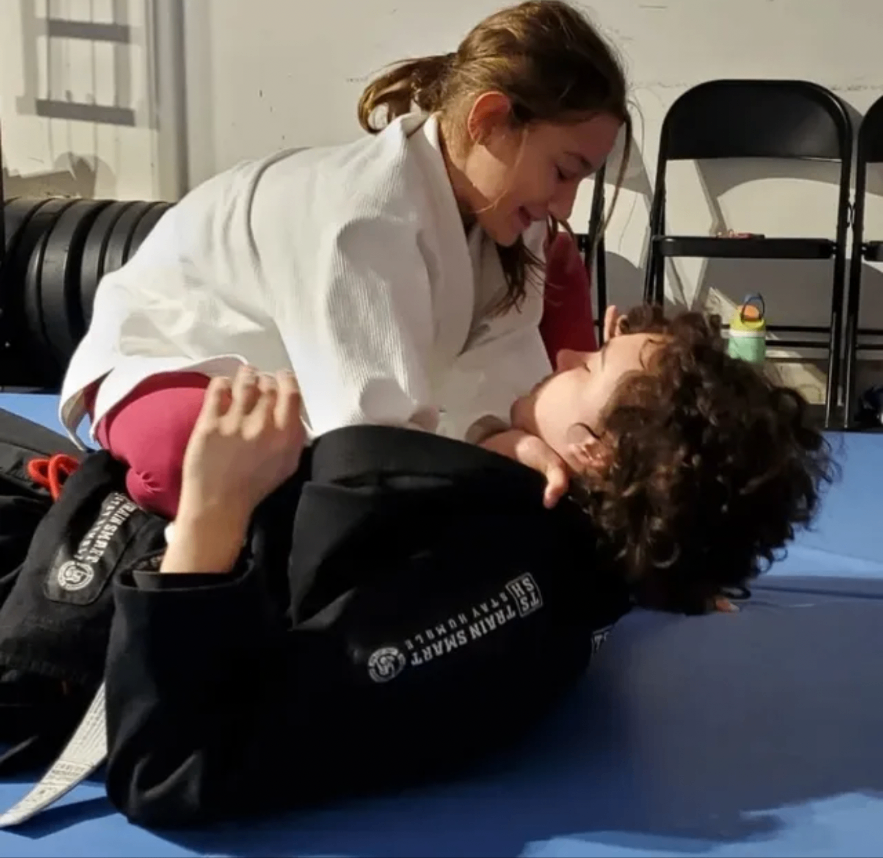
Modern Brazilian Jiu-Jitsu has two loose flavors: sport BJJ, which is optimized for competition points and specific rulesets, and self-defense BJJ, which is optimized for what happens when someone grabs you at a gas station.
They share about 80% of the same techniques. The difference is what gets emphasized, what gets drilled first, and what gets tested.
At Safeguard, we start with self-defense fundamentals. Every white belt learns how to stand up in base, how to break a wrist grab, how to defend against someone on top of them, how to close distance safely, and how to disengage. These are the techniques that matter when there are no referees.
As students progress, sport concepts come in — guard retention, submission chains, transitions. We train those too. Competition is a great pressure-test and we support students who want it.
But the order matters. If your first year of training is spent learning berimbolos and lapel guards, and then someone shoves you in a parking lot, you have a problem. If your first year is spent learning how to control distance, get to your feet, and end a bad situation quickly, the sport stuff layers on top of a foundation that actually holds.
This is a personal philosophy, not a criticism of other schools. If you want a pure competition academy, they exist and they're great at what they do. If you want to train something that would help a family member in a real situation, that's what we do here.